 Lighted Mirror / LED Bathroom Mirror Manufacturer

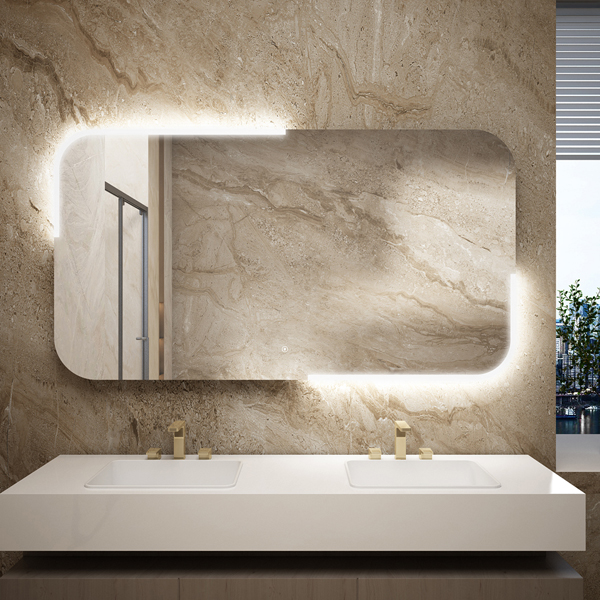
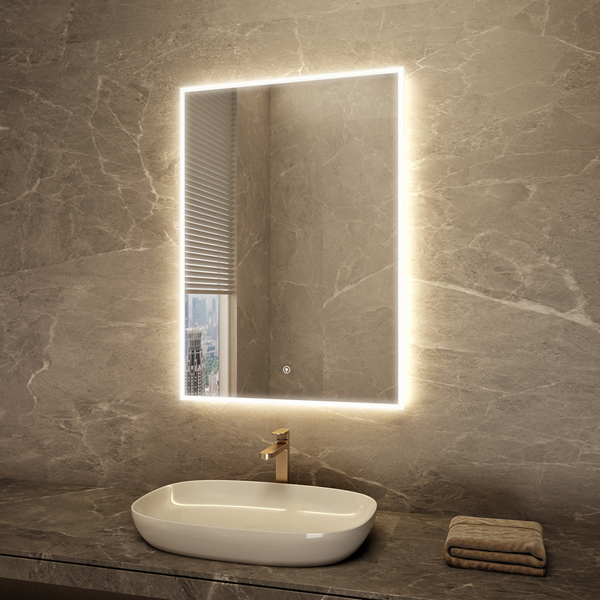
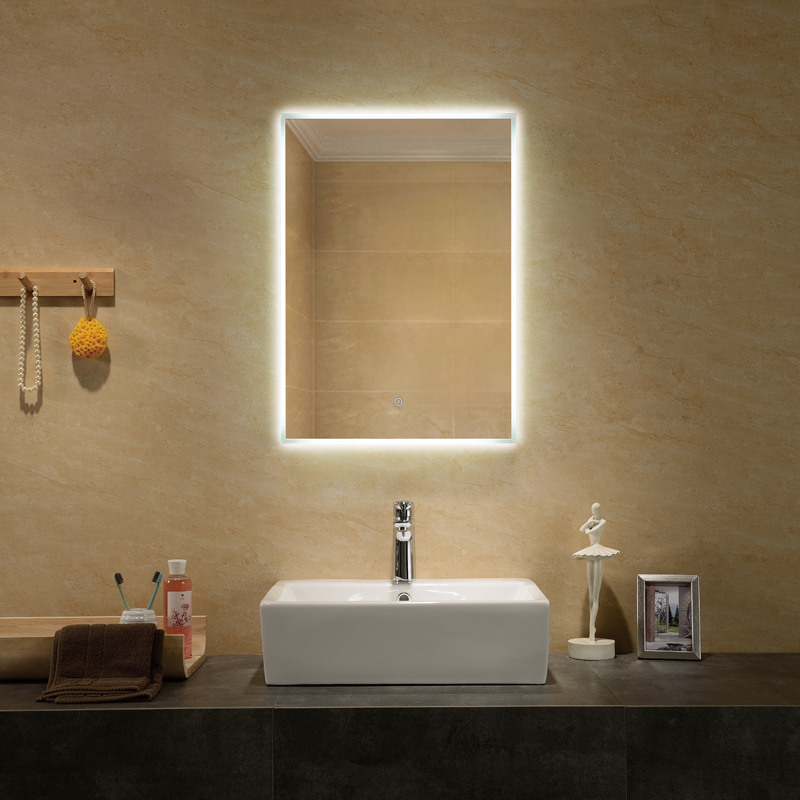
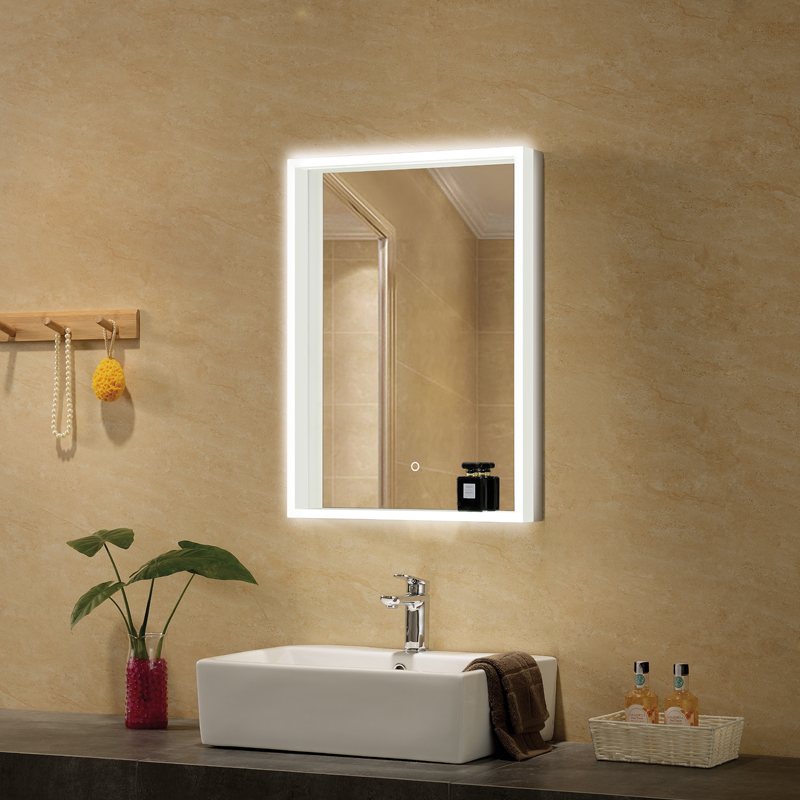
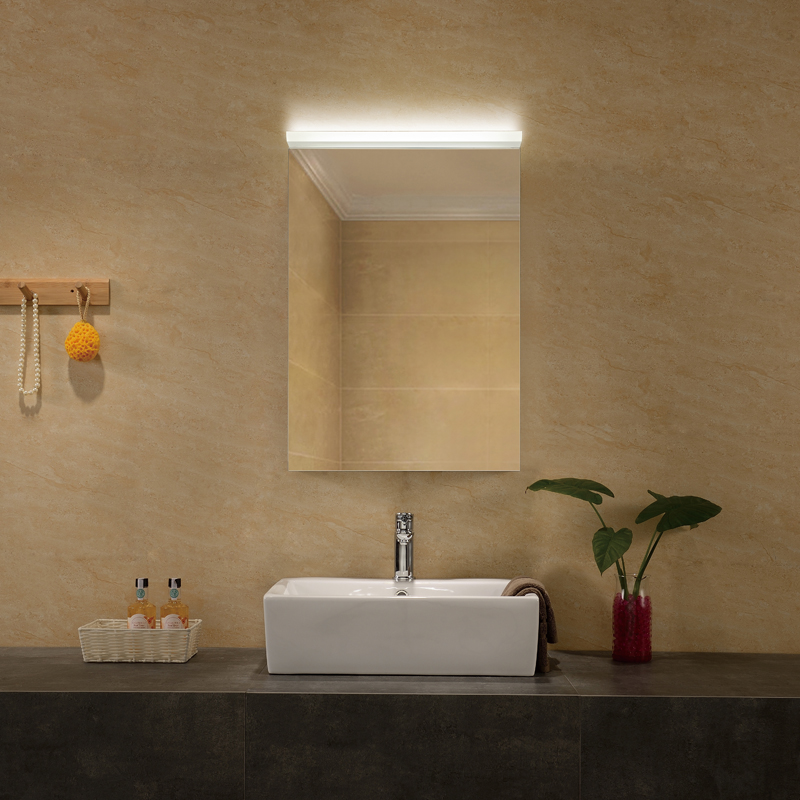
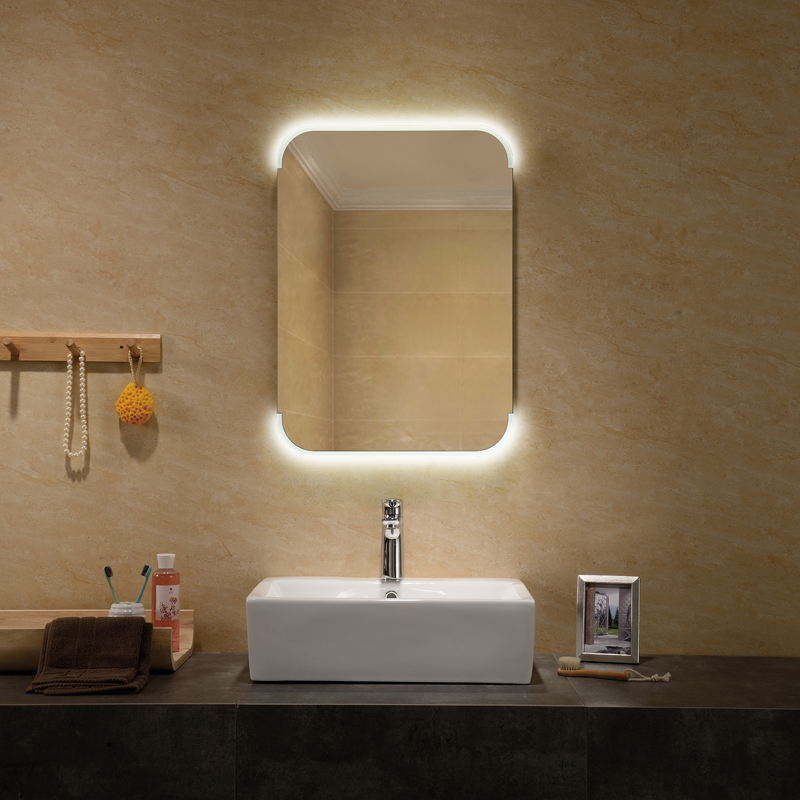
Custom LED Mirror Manufacturer for OEM & Product Development
Divas Glass supports custom LED mirror and lighted medicine cabinet programs for brands, importers, distributors and product-development teams.
Buyers can start with a drawing, reference image, existing product, target specification or new product concept.
Our China manufacturing operation can review the product structure, dimensions, lighting, functions, materials, mounting, branding and packaging before moving into sample development and production.
From Product Idea to Manufacturing Program
A custom mirror program should not begin with mass production.
The product first needs to be translated into a clear and manufacturable specification.
A typical development path is:
Idea or Drawing → Engineering Review → Specification → Sample → Revision → Approval → Production
Each stage reduces uncertainty before the next sourcing decision.
1. Start With Your Product Requirement
You do not need a finished engineering drawing before contacting Divas Glass.
A custom project can begin with:
-
Product drawing
-
Reference image
-
Existing product
-
Product link
-
Target dimensions
-
Buyer specification
-
Vanity or bathroom collection
-
Project requirement
-
New product concept
The first objective is to understand what you want the finished product to achieve.
2. Engineering Review
Before sample development, the requested design should be reviewed for manufacturing feasibility.
Depending on the product, the review may include:
-
Overall dimensions
-
Mirror shape
-
Glass processing
-
Lighting layout
-
Frame structure
-
Cabinet structure
-
Hole positions
-
Control locations
-
Electrical configuration
-
Mounting method
-
Product depth
-
Hardware
-
Packaging considerations
The purpose of engineering review is not to change the buyer's design unnecessarily.
It is to identify details that need to be clarified before a sample is made.
3. Build the Product Specification
After the main requirements are understood, the product needs a clearer specification.
A custom LED mirror specification may include:
| Specification Area | Details to Confirm |
|---|---|
| Dimensions | Width, height, thickness and orientation |
| Shape | Rectangle, round, oval, arch or custom shape |
| Lighting | Frontlit, backlit or dual-light |
| CCT | Required color temperature configuration |
| Functions | Dimming, defogging and required controls |
| Frame | Material, profile and finish if applicable |
| Structure | Chassis or cabinet requirements |
| Electrical | Target market and required configuration |
| Mounting | Vertical, horizontal, recessed or other approved method |
| Branding | Logo, label and private label requirements |
| Packaging | Required packaging and labeling |
For medicine cabinet projects, cabinet depth, door configuration, shelves, hinges and installation structure should also be defined.
4. Sample Development
Once the main specification is confirmed, the next step is normally a physical sample.
The sample allows the buyer and manufacturer to review the actual product rather than relying only on drawings or images.
Depending on the project, sample review may confirm:
-
Dimensions
-
Product proportions
-
Lighting appearance
-
Required functions
-
Frame finish
-
Cabinet structure
-
Mounting
-
Electrical configuration
-
Branding
-
Accessories
-
Packaging
The sample becomes an important reference before production approval.
5. Revision & Specification Update
Custom product development often requires adjustment after the first sample.
Typical revisions may involve:
-
Dimensions
-
Lighting position
-
Frame proportions
-
Finish
-
Function settings
-
Control position
-
Mounting details
-
Cabinet structure
-
Packaging
Any approved change should be reflected in the final specification.
This helps prevent the sample and mass-production requirements from becoming different versions of the same product.
6. Final Approval
Before production, the buyer and Divas should have a clear reference for the approved product.
Final approval may include confirmation of:
-
Product dimensions
-
Appearance
-
Lighting
-
Functions
-
Materials
-
Finish
-
Electrical configuration
-
Mounting
-
Labels
-
Accessories
-
Packaging
The objective is to move into production with fewer unresolved details.
7. Production
Once the product and specification are approved, the program can move into manufacturing.
Depending on the product, production can involve:
Glass Processing → Metal or Aluminum Processing → Lighting Preparation → Component Assembly → Function Review → Inspection → Packaging
Custom products require consistency between the approved specification and the finished production units.
What Can Be Customized?
Custom development can cover different parts of the product depending on the project.
Size & Shape
Buyers can review custom dimensions and suitable mirror shapes according to product structure and manufacturing feasibility.
Lighting
Lighting direction, illuminated area and required lighting configuration can be reviewed as part of the product design.
Functions
Required functions such as dimming, selectable color temperature and defogging can be discussed according to the product specification.
Frame
Frame profile, material, finish and dimensions can be reviewed for framed mirror programs.
Medicine Cabinet Structure
For lighted medicine cabinets, customization may include dimensions, depth, mounting, door configuration, shelves and internal structure.
Mounting
Mounting direction and installation structure can be reviewed according to the product and target application.
Branding
Private label programs can include product labels, branding and related identification requirements.
Packaging
Packaging requirements can be reviewed according to the product structure, target channel and buyer program.
Private Label Mirror Programs
Private label development involves more than placing a logo on an existing product.
A professional private label program may require coordination across:
-
Product specification
-
Size assortment
-
Lighting configuration
-
Frame finish
-
Functions
-
Branding
-
Labels
-
Packaging
-
Product consistency
These requirements should be reviewed before the product moves into production.
Developing a Product Collection
Some buyers are not developing one custom mirror.
They are developing an entire collection.
A collection may include:
-
Multiple sizes
-
Multiple shapes
-
Different frame finishes
-
LED mirrors and medicine cabinets
-
Coordinated functions
-
Products for different price levels
In these programs, consistency becomes as important as customization.
The individual SKUs should follow a clear relationship in design, finish, lighting and product positioning.
When Is a Custom Program the Right Choice?
A custom mirror program may be appropriate when you need to:
-
Develop a proprietary product
-
Match an existing bathroom collection
-
Add mirrors to a vanity range
-
Build a private label assortment
-
Modify an existing mirror design
-
Develop a new frame profile or finish
-
Create project-specific dimensions
-
Develop a custom lighted medicine cabinet
-
Build multiple related SKUs
If an existing product already meets the requirement, full customization may not be necessary.
What to Send for a Custom Product Review
Send as much of the following information as available:
-
Drawing, reference image or existing product
-
Required dimensions
-
Product type
-
Mirror shape
-
Lighting requirements
-
Required functions
-
Frame requirements
-
Cabinet requirements if applicable
-
Mounting method
-
Target market
-
Estimated quantity
-
Number of SKUs
-
Branding requirements
-
Packaging requirements
-
Target product positioning or collection reference
You do not need every detail finalized before the first review.
The initial information is used to identify what still needs to be confirmed.
Frequently Asked Questions
Can Divas develop an LED mirror from my drawing?
Yes. A drawing can be used as the starting point for specification and manufacturing review.
Can I send a reference photo instead of a technical drawing?
Yes. A reference photo, existing product or product link can be used for the initial discussion. Additional dimensions and specifications may be required before sample development.
Can Divas manufacture custom-size LED mirrors?
Custom dimensions can be reviewed according to the required product structure, lighting layout and manufacturing feasibility.
Can I customize the frame and finish?
Yes. Frame structure, profile and finish can be reviewed according to the required product program.
Can Divas develop custom lighted medicine cabinets?
Yes. Medicine cabinet dimensions, depth, mounting, doors, storage, lighting and other structural requirements can be reviewed as part of a custom program.
Can you support private label products?
Yes. Private label discussions can include product specifications, branding, labels, packaging and assortment requirements.
Do custom products require a sample?
For new or significantly customized products, sample development is an important step before production because it allows the final product and specification to be reviewed physically.
Can one custom program include multiple SKUs?
Yes. Multiple sizes, shapes, finishes or related products can be reviewed as one coordinated collection.
Start Your Custom Mirror Program
Send your drawing, reference image or existing product together with the target dimensions, functions, market, quantity and customization requirements.
Divas Glass will review the initial information and identify the next requirements for engineering review, quotation or sample development.
Start a Custom Product Review